

 Exercise can play a significant role in preventing and managing cancer-related lymphedema, a condition that can occur as a side effect of cancer treatment.
 Safe Movements: Focus on safe and low-impact exercises that avoid overstraining the affected limb. Exercises like walking, swimming, and stationary cycling are typically recommended, as they are gentle on the body and promote lymphatic flow.
Managing Cancer-Related Lymphedema:
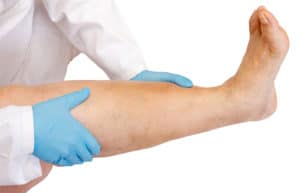 Complete Decongestive Therapy (CDT): CDT is a standard treatment for lymphedema. It involves manual lymphatic drainage (a specialized massage technique), compression bandaging, skin care, and exercise. The exercise component, along with the other aspects of CDT, helps to reduce swelling and maintain lymphatic function.
 Compression Garments: Continue to use compression garments as recommended by your healthcare provider during and after exercise. These garments help maintain the reduction of swelling achieved through therapy and exercise.
 Breathing and Relaxation Techniques: Deep breathing and relaxation exercises can help manage stress, which can exacerbate lymphedema. These techniques also encourage the flow of lymphatic fluid.
 Stay Hydrated: Proper hydration is essential to support the lymphatic system’s function. Dehydration can make lymphedema symptoms worse.