

 Maintain a Healthy Diet – Eating a balanced diet rich in fruits, vegetables, whole grains, and lean proteins can lower cancer risk. Limiting processed foods and sugary beverages is also beneficial.
 Stay Physically Active – Regular exercise helps maintain a healthy weight and reduces the risk of various cancers, including breast, colon, and lung cancer.
 Avoid Tobacco and Limit Alcohol – Smoking is the leading cause of preventable cancer deaths, and excessive alcohol consumption increases the risk of several cancers.
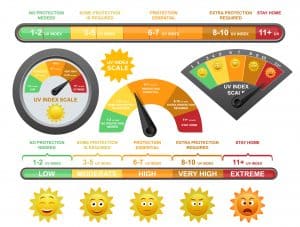 Protect Your Skin – Skin cancer is one of the most common yet preventable types. Use sunscreen, wear protective clothing, and avoid indoor tanning.
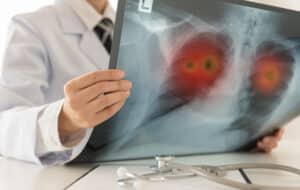 Get Regular Screenings – Early detection can significantly improve treatment outcomes. Regular screenings for breast, cervical, colorectal, and other cancers can help catch the disease at an early, more treatable stage.
 Get Vaccinated – Vaccines such as the HPV vaccine and hepatitis B vaccine help prevent cancers caused by infections.
 Limit Exposure to Carcinogens – Avoid exposure to harmful chemicals, radon, and excessive UV radiation to lower the risk of developing cancer.
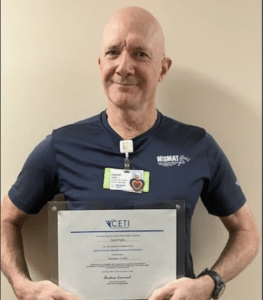 Becoming a Cancer Exercise Training Institute OncoVie™ Cancer Exercise Specialist is a meaningful career choice for fitness professionals, physical therapists, and healthcare providers who want to make a difference in the lives of cancer patients and survivors. Here are several compelling reasons to pursue this certification:
Improve Quality of Life for Cancer Patients and Survivors
Cancer treatments like chemotherapy, radiation, and surgery can cause fatigue, muscle loss, lymphedema, and reduced mobility. A CETI OncoVie™ Cancer Exercise Specialist is trained to design safe and effective exercise programs that help patients regain strength, mobility, and overall well-being.
 Bridge the Gap Between Oncology and Fitness
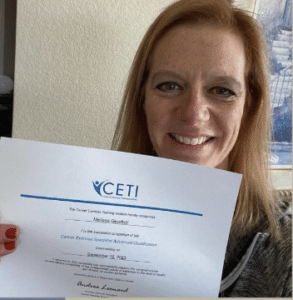 Bridge the Gap Between Oncology and Fitness
Many cancer survivors lack access to tailored fitness programs after treatment. This certification provides specialized knowledge in oncology rehabilitation, allowing professionals to offer personalized exercise plans that address unique physical and emotional challenges.
 Enhance Your Professional Credentials
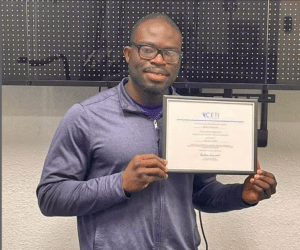 Enhance Your Professional Credentials
Adding CETI certification to your qualifications sets you apart from other fitness professionals. It demonstrates expertise in cancer rehabilitation, making you a valuable resource for healthcare teams, hospitals, and wellness centers.
 Expand Career Opportunities
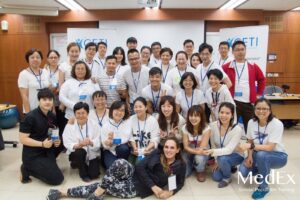 Expand Career Opportunities
With the increasing number of cancer survivors worldwide, there is a growing demand for specialists in cancer recovery and wellness. CETI-certified professionals can work in hospitals, physical therapy clinics, wellness centers, and even start their own specialized training programs.
 Provide Emotional and Psychological Support
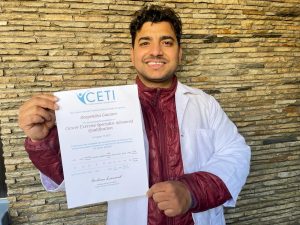 Provide Emotional and Psychological Support
Exercise is not only beneficial for physical health but also plays a crucial role in reducing anxiety, depression, and stress for cancer survivors. As an OncoVie™ Cancer Exercise Specialist, you help clients build confidence and regain control over their bodies.
 Stay on the Cutting Edge of Cancer Research
 Stay on the Cutting Edge of Cancer Research
CETI provides ongoing education on the latest research, treatments, and best practices in oncology exercise. This ensures that specialists stay updated and provide the safest, most effective training programs.
 Make a Lasting Impact
 Make a Lasting Impact
Helping cancer survivors regain strength and improve their quality of life is deeply rewarding. As a CETI-certified specialist, you play a crucial role in their recovery journey, giving them the tools to live healthier, more active lives.
If you’re passionate about fitness and making a difference in people’s lives, becoming an OncoVie™ Cancer Exercise Specialist is a powerful way to contribute to the health and well-being of those affected by cancer.