

 Folate, also known as vitamin B9, plays a critical role in DNA synthesis, repair, and methylation processes in the body. These functions are essential for maintaining the integrity of your genetic material and preventing mutations that can lead to cancer. When there is a lack of adequate folate, it can contribute to cancer in several ways:
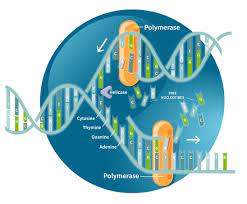 Altered DNA methylation: Folate is involved in a process called DNA methylation, which helps regulate gene expression and maintain the stability of the genome. Insufficient folate can disrupt this process, leading to abnormal gene activity, including the activation of oncogenes (genes that promote cancer) and the silencing of tumor-suppressor genes (genes that inhibit cancer).
 It’s important to note that while folate deficiency can increase the risk of cancer, excessive folate intake through supplements should be avoided, especially in individuals who are already at risk for certain types of cancer. Excess folate may have different effects and could potentially promote the growth of pre-existing cancer cells in some cases.