

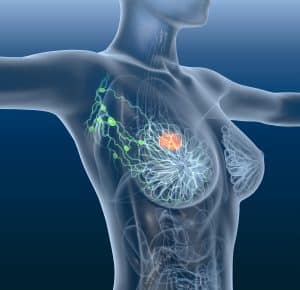
 When your doctor advises you to “watch and wait” with a lump in your breast, it means they want to monitor the lump over a period of time to see if it changes in size or other characteristics before making any decisions about further testing or treatment. This approach is often taken when the lump appears to be benign (non-cancerous) based on initial evaluations, such as physical examination or imaging studies.
 In my nearly thirty years of working with cancer patients I have known a disturbing number of women who were told to “watch and wait” only to later find out they had stage III or IV breast cancer. I myself have had 17 breast biopsies to remove lumps that did not belong in my body!
My mom has had breast cancer three times, currently fighting stage IV, and I have a 40% breast cancer risk based on my own family history.
The bottom line is, in my personal and professional opinion, if it doesn’t belong there get it out. While I know that is not an option for everyone, and not everyone is as open to surgery as I am, I stand firm in my conviction.
Andrea Leonard, 39 year cancer survivor
CETI President/Founder
 Seek Clarification: First and foremost, ask your doctor to explain in detail why they recommend a watch-and-wait approach. Understanding their reasoning and the characteristics of the lump is important for your peace of mind.
 Maintain Good Health: Continue to take care of your overall health. Eat a balanced diet, engage in regular exercise, and avoid tobacco and excessive alcohol consumption. A healthy lifestyle can support your immune system and overall well-being.
 Emotional Support: Dealing with the uncertainty of a breast lump can be emotionally challenging. Seek support from friends, family, or a support group to help you cope with anxiety and stress during this time.