

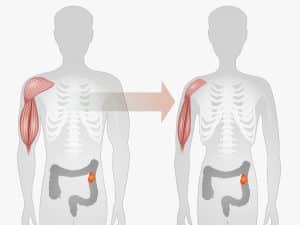
 Cancer cachexia is a complex condition characterized by significant weight loss, muscle wasting, and metabolic changes in individuals with cancer. It can have a profound impact on the quality of life and treatment outcomes of cancer patients. While there is no guaranteed way to prevent cancer cachexia entirely, there are strategies that can help manage and mitigate its effects.
Picture courtesy of National Cancer Institute
 Nutritional Support: Providing adequate nutrition is crucial for preventing and managing cachexia. A registered dietitian or nutritionist can help develop a personalized dietary plan that addresses the specific needs of the patient, ensuring they receive sufficient calories, protein, vitamins, and minerals.
 Physical Activity and Exercise: Engaging in regular physical activity and exercise, if medically appropriate, can help preserve muscle mass and strength. It can also improve overall well-being and counteract the negative effects of cachexia.
 Psychosocial Support: Emotional and psychological well-being play a crucial role in overall health. Addressing anxiety, depression, and stress through counseling or support groups can indirectly contribute to better nutritional intake and overall health.
 Hydration: Staying hydrated is essential for overall health. Adequate hydration can help maintain organ function and support energy levels.
 Individualized Approach: Each cancer patient’s situation is unique. A personalized approach that takes into account the type and stage of cancer, overall health, and other individual factors is crucial for managing cachexia effectively.