

 Exercise plays a crucial role in reducing inflammation, which in turn has a significant impact on cancer prevention. Inflammation is the body’s natural response to injury, infection, or harmful stimuli, and it is an essential part of the immune system’s defense mechanism. However, chronic inflammation can lead to various health issues, including cancer.
Here’s how exercise helps to reduce inflammation and its connection to cancer prevention:
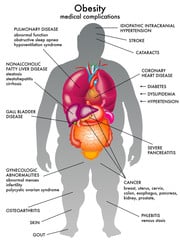 Reduces Adipose Tissue (Fat) and Obesity: Regular physical activity helps to maintain a healthy weight and reduces excess adipose tissue. Obesity is associated with chronic inflammation due to the release of inflammatory cytokines from fat cells. By decreasing adipose tissue and promoting a healthy weight, exercise can lower inflammation levels.
 Improves Insulin Sensitivity: Regular exercise improves insulin sensitivity, reducing the risk of developing type 2 diabetes. Insulin resistance and diabetes are linked to chronic inflammation, which can promote cancer development. By managing blood sugar levels effectively, exercise helps maintain a healthier inflammatory response.
 Promotes Antioxidant Defense: Exercise stimulates the production of antioxidants in the body. Antioxidants counteract oxidative stress, a process that can lead to cell damage and chronic inflammation. By reducing oxidative stress, exercise helps prevent the formation of cancer-promoting conditions. Read about the medicinal benefits of mushrooms here.
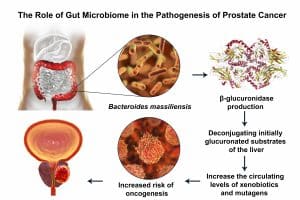 Improves Gut Health: A healthy gut microbiome is essential for regulating inflammation in the body. Exercise has been shown to positively influence the gut microbiota, promoting a balanced and diverse microbial environment, which can reduce inflammation.