

 A growing body of evidence continues to support previous research about the cancer-fighting benefits of exercise and the link between physical activity and cancer prevention. Experts are now creating guidelines on diet and exercise, which for the first time puts exercise on an equal footing with nutrition. “We now believe physical activity is a primary component of preventing cancer,” says Abby Bloch, chairwoman of the American Cancer Society’s advisory committee on nutrition and physical activity.
 Until recently, definitive scientific proof has been elusive, evidence withstanding. While most of the clear benefits of exercise, such as weight loss, can be seen relatively quickly, its impact on – cancer can take years. And the relationship has never been as clear-cut as that between smoking and lung cancer, for example, or sun exposure and skin cancer.
 How Can Exercise Prevent Cancer?
“My study shows that just by walking or cycling regularly, by taking what one calls regular physical exercise, can prevent this very serious and very common form of cancer. Several other studies have had similar results, and one can now say that any doubt has been dispelled, ” said Doctor Inge Haunstrup Clemmensen from the Cancer Foundation to the daily newspaper Politiken. The doctor also stated that the evidence from the study results indicate that moderate physical activity also reduces the risk of cancer of the esophagus.
 A recent study revealed that physical activity prevents endometrial cancer and breast cancer according to a study involving 850 women. The more the study subjects exercised, the less their odds of being diagnosed with cancer, even if they were considered “at-risk” for the disease.
 “Fitness protects, whether you are a smoker or not,” he says, although he is not exactly sure why. He doubts the reason is that exercise improves lung function. Rather, it is more likely that exercise strengthens the body’s immune system, believed to play a significant role in staving off the onset, or worsening, of many types of cancer.
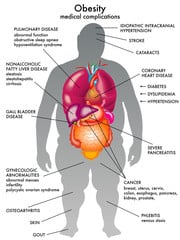
 Those who regularly exercise tend to practice other healthful habits. They are less likely to consume saturated fats – especially animal fat – and are more likely to eat increased fiber and to shun cigarettes. They also are leaner than average, which helps, because obesity is a risk factor for many cancers.
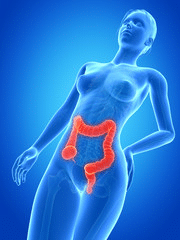 Colon cancer, one of the nation’s leading cancer killers, is the one cancer where the impact of exercise appears indisputable. Numerous studies have shown that exercisers have a substantially lower risk – some studies have shown it to be as much as 50 percent – of developing colon cancer than couch potatoes.
 Even MORE Evidence that Exercise Prevents Cancer
The fact that exercise is now being shown to prevent cancer is important for one more reason: it proves that cancer is systemic, not local. In other words, cancer is a whole-body failure, not just a specific tumor or lesion that can be surgically removed or targeted with radiation. Because cancer is a systemic failure, it must be treated holistically — that is, the whole person must be considered: their physical health, immune system function, mental health, spiritual health, and of course their day-to-day activities such as eating and exercising.
 To start, they note that exercise has significant effects on several functions of the human body that may influence cancer risk. These effects include changes in the following:
- cardiovascular capacity
- energy balance
- pulmonary capacity
- immune function
- bowel motility
- antioxidant defense
- hormone levels
- DNA repair
They note that in the past decade alone, over 200 population-based studies have linked physical activities to cancer risk. The most researched cancers are those of the:
- Bowel
- Breast
- Endometrium
- Prostate
- Testes
- Lung
- Bowel Cancer
 Cancer of the large bowel is the most commonly investigated cancer in relation to physical activity with physically active men and women experiencing around half the risk of their sedentary counterparts.
Plausible mechanisms of protection include the beneficial effects of exercise on levels of the following substances, which influence the growth and proliferation of cells in the colon:
- Insulin
- Prostaglandins
- Bile acid
 Breast and Endometrial Cancer
Endogenous sex hormones are strongly implicated in the development of breast and endometrial cancer. Physical activity may modulate the production, metabolism, and excretion of these hormones, so an association with these cancers is biologically possible.
Physical activity may also reduce the risk of cancer through its normalizing effect on body weight and composition. Evidence from population-based studies suggests that occupational, leisure and household activities are associated with about a 30% reduction in breast cancer rates. Those studies that have explored the link between physical exertion and the risk of endometrial cancer suggest a negative association.
In September, the American College of Sports Medicine released a Canadian study published in its journal, Medicine & Science in Sports & Exercise, that looked at 1,233 cases of breast cancer and 1,237 “controls” (women who did not have the disease), comparing their lifetime physical activity patterns and other factors, including diet, tobacco and alcohol use and family history.
The study found that the greatest risk reduction for breast cancer occurred among those women who engaged regularly in “moderate-intensity” job or household activities, such as farming or household chores.
Such activities appear to be more beneficial than recreational pursuits of any intensity that were performed inconsistently, whether it be an occasional brisk walk or game of tennis.

Exercise During Cancer Treatment
In addition to the apparent role of exercise in the prevention of some cancers, there is growing interest in and evidence of its use in the treatment and rehabilitation of patients with cancer. Physical activity may reduce the likelihood of recurrence and enhance survival through its capacity for doing the following:
- Improving bodily movement
- Reducing fatigue
- Enhancing immune function
Since exercise seems to have protective effects against some types of cancers and does not increase the risk of any cancer, it should be more actively encouraged. They state that “in light of the decreasing population prevalence of total physical activity, doctors should advocate moderate endurance-type activity, such as walking and cycling. As well as reducing the risk of chronic diseases such as coronary heart disease and non-insulin-dependent diabetes, such physical activity does seem to protect against some cancers.”
Learn About Becoming a Cancer Exercise Specialist